Standing at the cheese counter with parmigiano reggiano vs pecorino romano? Reach for Parmigiano Reggiano for nutty depth, and Pecorino Romano when a dish needs a salty, tangy punch.
This guide is part of the wider set of italian cooking basics, so you can read it next to the other pantry staples.
| Item | Value |
|---|---|
| Parmigiano Reggiano minimum aging before inspection | 12 months |
| Parmigiano Reggiano longest aging | Up to 48 months |
| Parmigiano Reggiano production area | Parma, Reggio Emilia, Modena, Mantua (right bank of the Po) and Bologna (left bank of the Reno) |
| Pecorino Romano milk | Fresh sheep’s milk |
| Pecorino Romano minimum aging | Five months as table cheese; 8 months for grating |
| Pecorino Romano production area | Sardinia, Lazio and the Province of Grosseto |
These figures come from the producer exhibits for Parmigiano Reggiano and Pecorino Romano. Rules and figures can change, so check the source before you rely on them.
How the two cheeses differ at a glance
The biggest difference is the milk. Pecorino Romano is made from fresh sheep’s milk and set with lamb rennet, as the Pecorino Romano exhibit explains. Parmigiano Reggiano is made from the raw milk of grass-fed cows, collected in the morning and the evening, according to the Institute of Culinary Education.
Aging is the next split. Parmigiano Reggiano wheels are aged for 12 months before inspection, and the aging can continue up to 48 months, per the Parmigiano Reggiano exhibit. Pecorino Romano can be sold as table cheese after five months, while grating cheese must be aged 8 months, according to the Pecorino Romano exhibit.
Both are old cheeses. The Institute of Culinary Education notes that Parmigiano-Reggiano has been made for over 1,000 years, and that the Pecorino Romano recipe is believed to be over 2,000 years old.
The younger cheese is the sharper one. VinePair points out that Pecorino Romano ages for a shorter time yet tastes saltier and tangier than Parmigiano-Reggiano.
Flavor and texture: nutty depth or salty tang
Parmigiano Reggiano tastes delicate and rich, with grassy, fruity, nutty and even meaty notes in wheels with advanced age, as described by the Institute of Culinary Education. Pecorino Romano changes character depending on how it is sold.
- Parmigiano Reggiano: mellow, nutty and layered, with more complexity as it ages.
- Pecorino Romano as table cheese: aromatic, slightly spicy and tangy.
- Pecorino Romano for grating: intensely spicy, per the Pecorino Romano exhibit.
Sheep’s milk is naturally fattier than cow’s milk and brings an earthy or grassy tang, according to the Institute of Culinary Education. That milk base is behind the sharper character you notice when you taste the two side by side.
When to use Parmigiano Reggiano
Reach for it when you want umami depth that supports a dish rather than dominating it. MasterClass describes a granular texture and nutty flavor that adds umami to soups, salads and pasta dishes, and mentions risotto as well.
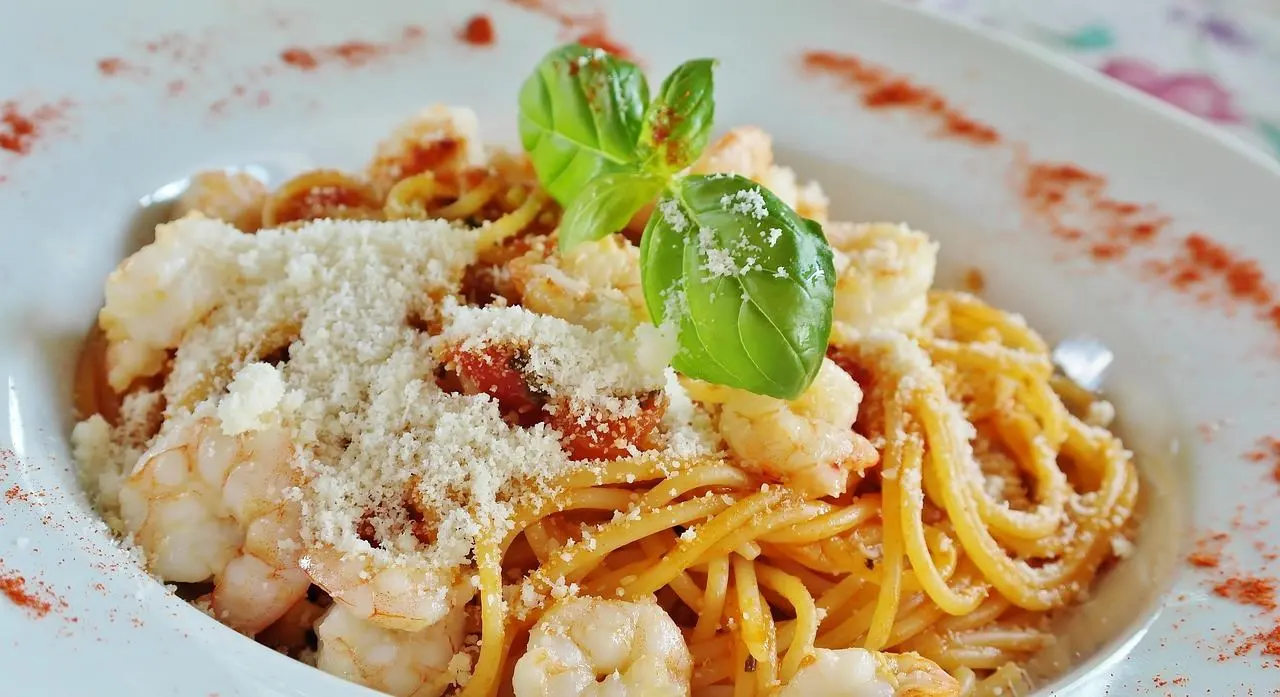
- Grated over pasta with a light sauce, where a gentle nutty finish works best.
- Stirred into soups and risotto for savory body.
- Scattered over salads for a salty, granular lift.
- Nibbled by itself, which the Institute of Culinary Education lists among the uses for firm Italian cheeses.
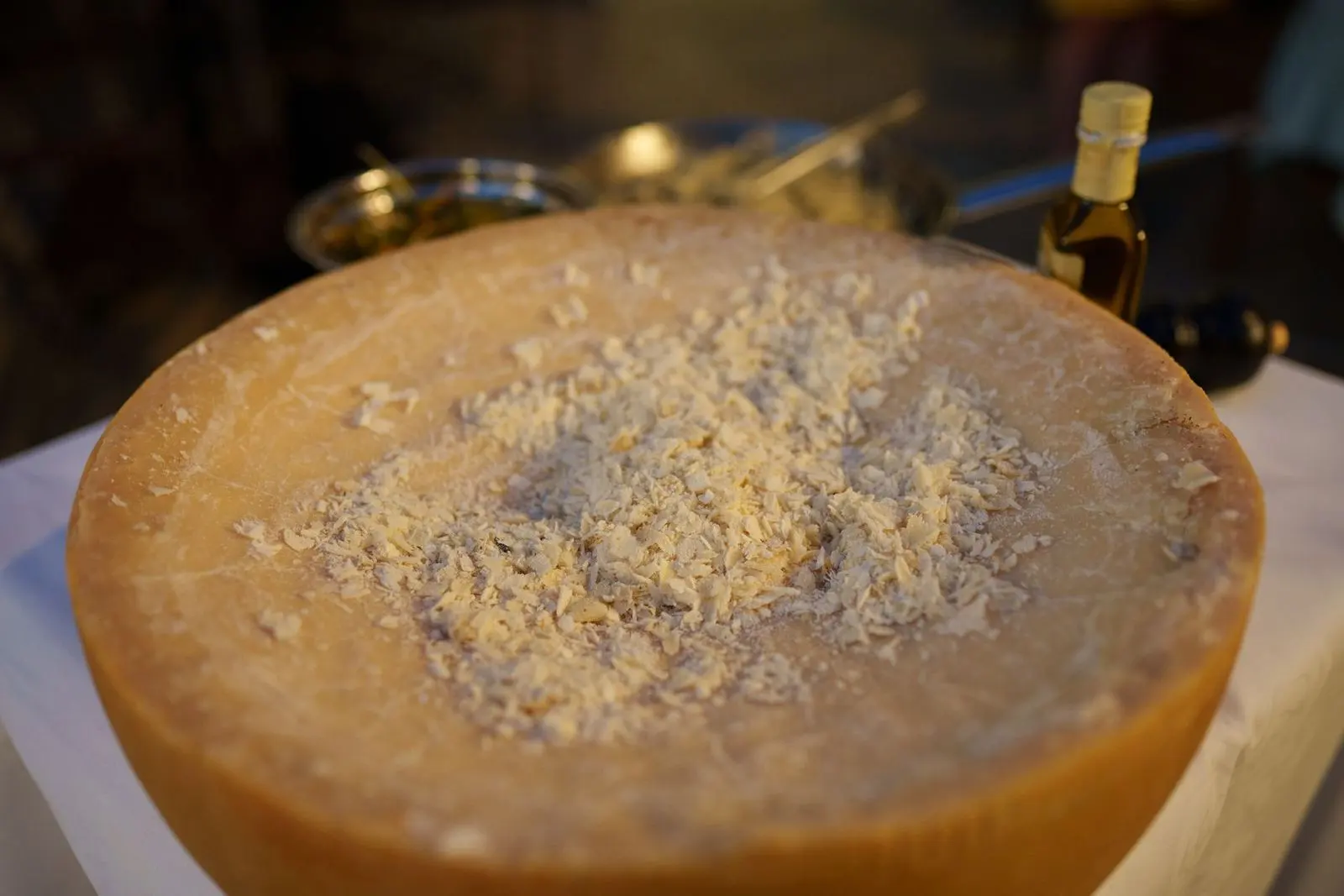
To buy the genuine wheel, look for the stamp on the rind. MasterClass says cheesemakers stamp the name directly into the rind to make authentic cheese easy to spot.
When to use Pecorino Romano
It belongs in Roman pasta. The Institute of Culinary Education says it is the preferred cheese for cacio e pepe and is frequently used in other Roman dishes such as spaghetti alla carbonara.
- Cacio e pepe and carbonara, where the cheese is the main seasoning.
- Any dish that needs a sharp, salty edge to cut through richness.
- Younger wheels sold as table cheese, which suit a cheese board.
Because it tastes saltier, taste the sauce before you add any salt. A little goes a long way, and you can always add more at the table.
Can you swap one for the other?
In a pinch, yes. MasterClass suggests trying Pecorino Romano or Grana Padano if you cannot find Parmigiano Reggiano. Expect a bolder, saltier dish, so use a lighter hand.
Going the other way softens a Roman pasta. It will still taste good, but it will lose the sharp edge that defines the classic.
Cheese is only half of a pasta dish, so read about san marzano tomatoes before you build a tomato sauce. For matching the noodle to the sauce, the notes on pasta shapes and sauces help.
Frequently asked questions
Is parmesan the same as Parmigiano Reggiano?
Show answer
Not necessarily. MasterClass explains that the word parmesan is not protected outside Europe, so tubs and wedges labeled that way can be imitations from the United States, Australia or South America.
What does pecorino actually mean?
Show answer
It comes from pecora, the Italian word for sheep, so any pecorino is a sheep’s milk cheese, according to the Institute of Culinary Education. Pecorino Romano is one specific version of it.
Does Parmigiano Reggiano contain additives?
Show answer
The producers’ exhibit says its specifications prohibit fermented fodder and additives of any kind, as the Parmigiano Reggiano exhibit states. Shaker-style substitutes are a different story, since MasterClass notes they contain plant cellulose and anti-clumping agents.
Where does Grana Padano fit in?
Show answer
It is a cow’s milk cheese with a nine-month minimum, so it ages for less time than a true Parmigiano Reggiano, per VinePair. The same source calls its flavor slightly sweeter and less concentrated, and says it costs less.