If Italian recipes feel harder than they look, you’re not alone. The Italian cooking basics are simple: a few excellent ingredients, well-salted pasta water and patience with sauces. Get those right and the rest follows.
| Item | Value |
|---|---|
| Share of Italy’s tomato crop from Puglia | More than 50% |
| Typical age of Parmigiano Reggiano | 24-36 months |
| Water for boiling pasta | One litre per 100 g of pasta |
| Extra virgin olive oil starts burning | Around 160°C |
| Soaking time for dried porcini | Around 20 minutes |
| First Margherita pizza served in Naples | 1889 |
These figures come from Food Republic and Which?, and they can change, so check the sources before you rely on them.
Why Italian cooking starts with restraint
Italian food is rooted in simplicity, where a few quality ingredients are allowed to shine without a clutter of unnecessary flavors, as Food Republic puts it. That makes shopping matter more than any fancy technique.
Take the Caprese salad, which The Daily Meal describes as tomato, mozzarella, basil and olive oil, seasoned with salt and sometimes pepper. The same article points out the catch: if one element is not in top form, the whole dish can fall apart.
Seasoning is the other half of the habit. The Daily Meal notes that adding salt early gives more evenly seasoned dishes, because it has time to meld with the ingredients.
A routine you can apply to almost any recipe:
- Buy the ripest seasonal produce you can find, which Which? quotes a cookery tutor as recommending.
- Season each element on its own, including the pasta water, as The Daily Meal advises.
- Taste as you go and adjust in small steps.

Which ingredients should you stock first?
You can stretch the list a long way with our guide to italian pantry staples, but a handful of items do most of the work. Each one below is cheap to keep and changes a plain dish.
- Tomatoes: canned, passata or fresh in season
- Basil, for sauces, salads and pesto
- Parmigiano Reggiano, grated from a whole piece
- Dried porcini mushrooms
- Tipo 00 flour for fresh pasta and pizza
- Extra virgin olive oil
Tomatoes
Southern Italy is famous for tomatoes, and Food Republic credits Puglia with providing more than 50% of the national crop. Variety matters because acidity changes the flavor of a dish.
Our profile of san marzano tomatoes goes deeper, but the short version is that they grow in volcanic soil near Mount Vesuvius and suit sauces thanks to their dense flesh and rich flavor, per Food Republic.
For everyday sauce, a cookery tutor quoted by Which? reaches for tinned chopped tomatoes because they are canned while ripe and give a richer, better flavour.
Basil
Basil is the aromatic star of the cuisine. Food Republic advises that cut basil should not go in the fridge, as the leaves turn black; stand it in a glass of water at room temperature instead.
Dried porcini
Dried porcini keep for a long time and bring a meaty, earthy depth to risotto and sauces. Food Republic says to soak them in hot water for around 20 minutes, and not to throw the liquid away, since it is full of umami and can go into soup or risotto.
Tipo 00 flour
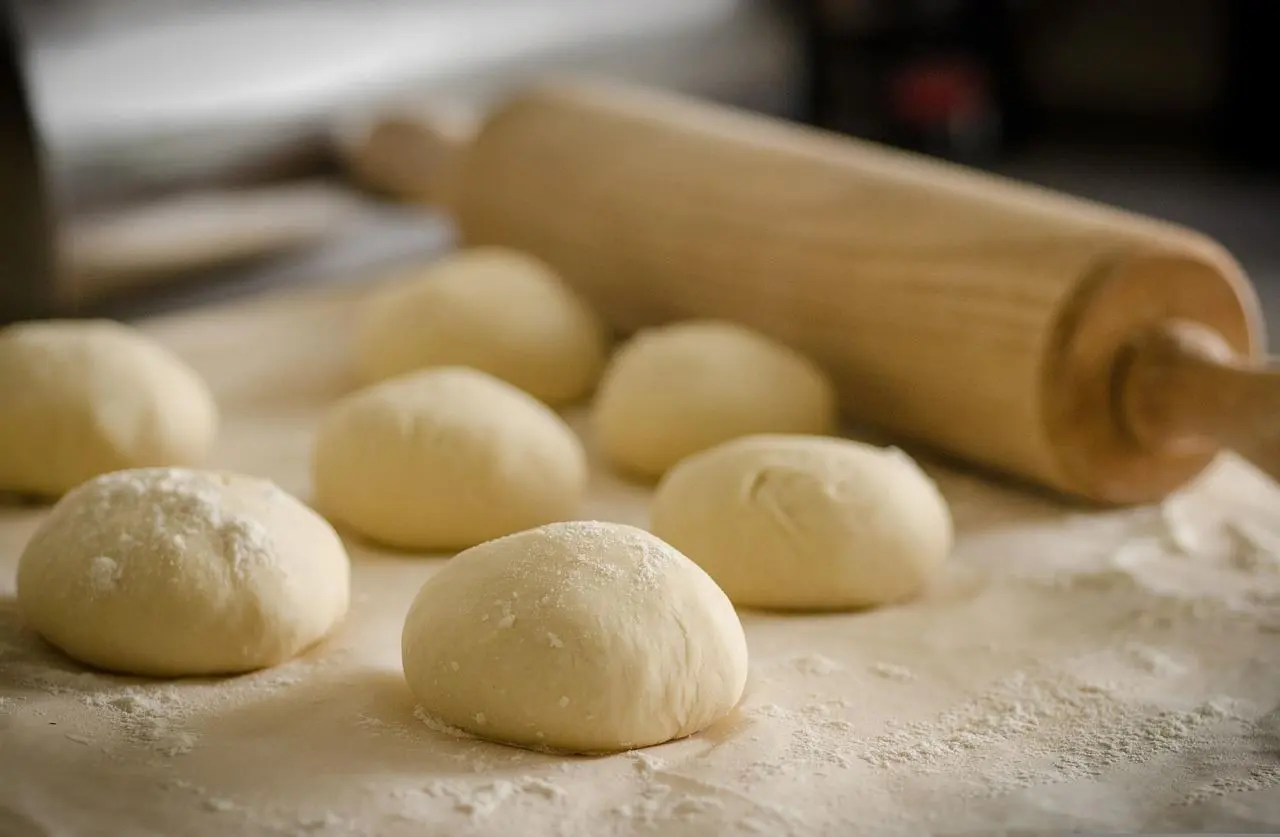
Tipo 00 flour is used extensively for fresh pasta and for pizza, according to Food Republic. It is the most finely ground flour available, so it makes a silky dough.
How to cook pasta the Italian way
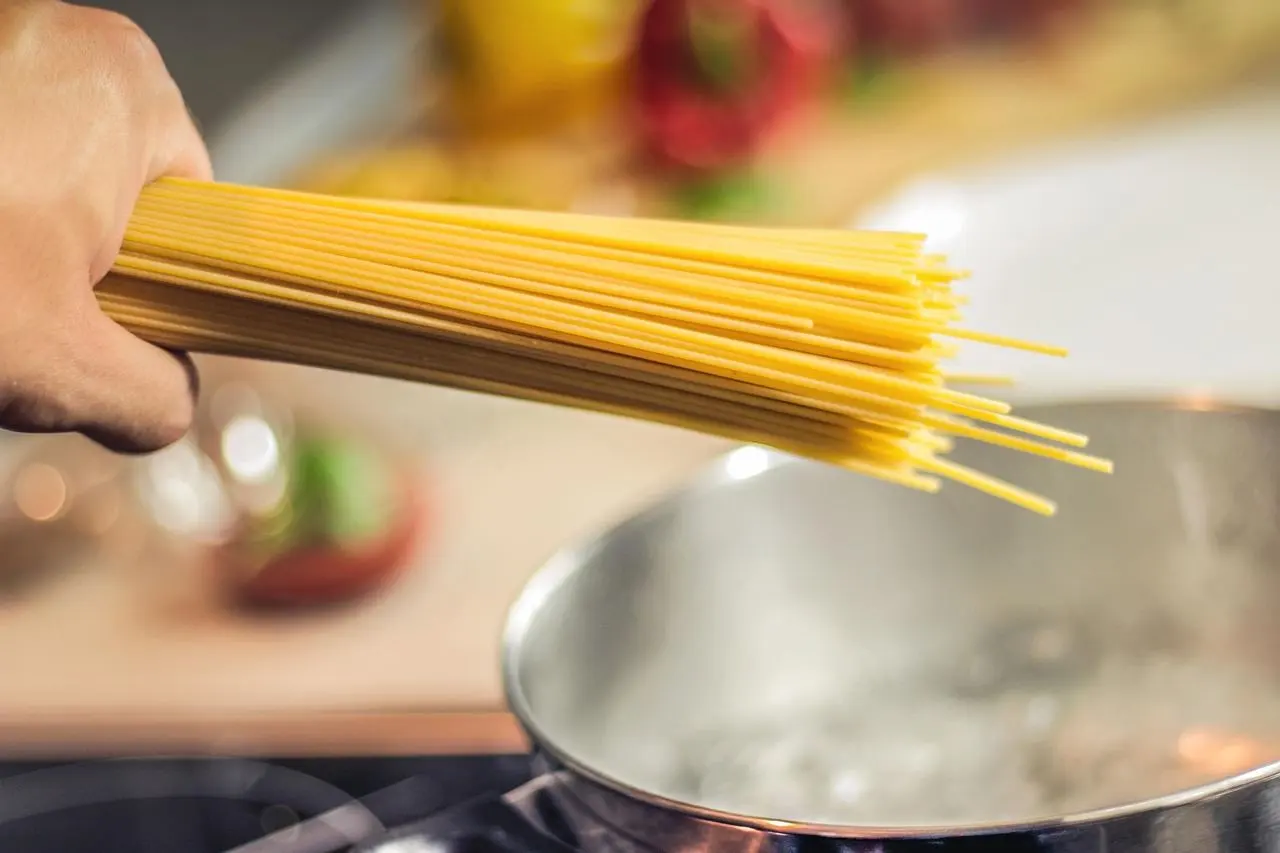
Start with the pot. Chef Sara Danesin Medio, quoted by Which?, gives one litre of water per 100 g of pasta as a rule of thumb, and The Daily Meal reports that Eataly recommends four quarts of water for each pound.
From there, the method is short:
- Wait for big bubbles, then add salt and start the timer, as a cook quoted by RTÉ suggests.
- Taste a piece now and then; The Daily Meal recommends tasting periodically to judge how it is cooking.
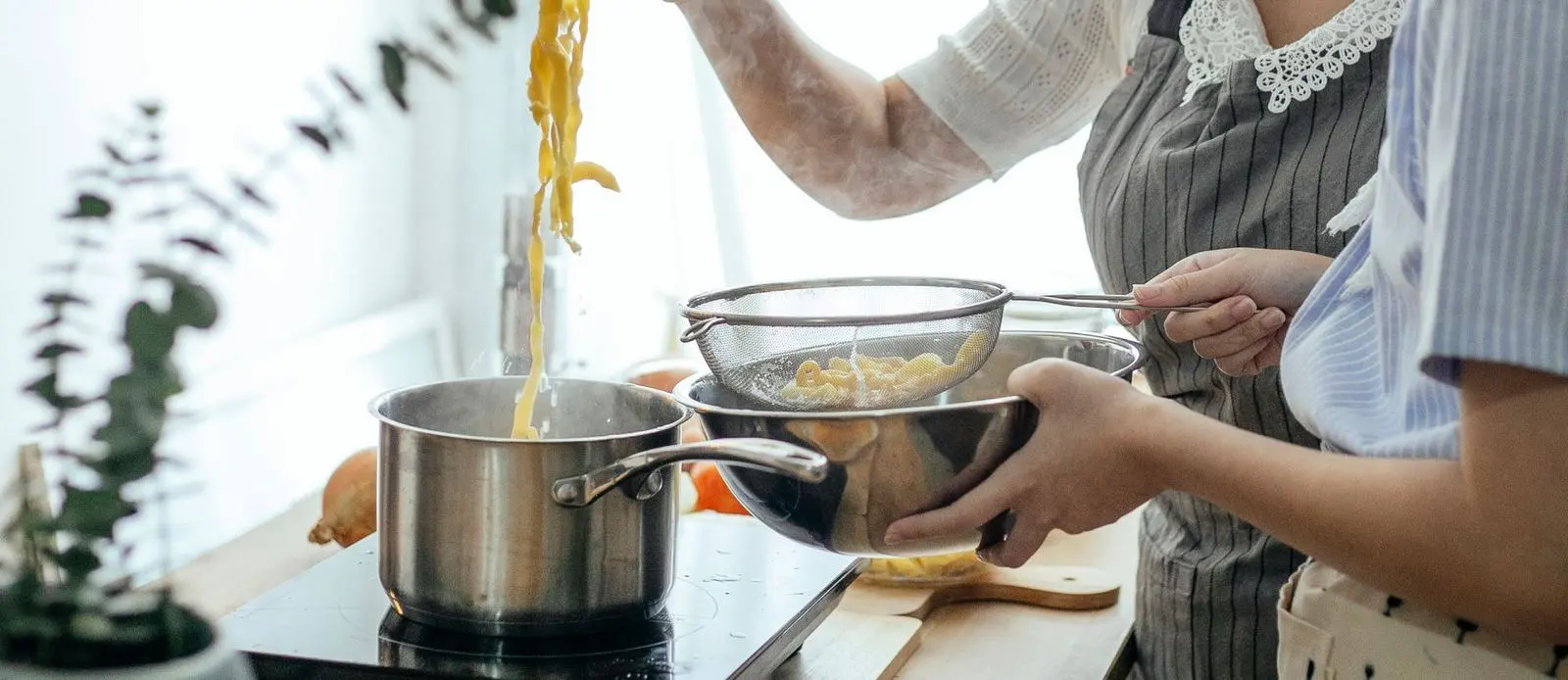
- Drain a little early. The same RTÉ cook, Antonella, drains the pasta 15 seconds before the full cooking time and finishes it with the sauce in a mixing bowl.
- Keep a cup of the cooking water: Which? explains that it is full of starch that adds creaminess to a sauce.
The target texture is al dente: cooked through, yet with enough structure to give a satisfying bite, as The Daily Meal describes it. Our walkthrough of how to cook pasta al dente covers timing by shape.
Shape and sauce should suit each other. To make sense of the hundreds of varieties, The Daily Meal sorts them into three groups: long, short and stuffed, and our guide to pasta shapes and sauces shows how to pair them.
Finally, go easy on the sauce. The RTÉ interview names the wrong proportion of sauce as a common mistake, because pasta and sauce should work together to create the flavours of the dish; see RTÉ.

Sauce basics: tomato, reduction and patience
A good tomato sauce can be quick. The cook in the RTÉ interview describes chopped onion, garlic and ripe tomatoes cooked down for a few minutes and finished with basil as a classic pasta sauce. If you want exact quantities, follow our homemade marinara sauce recipe.
Reduction is what separates a rich sauce from a watery one. Cookery tuition in Which? stresses simmering off excess liquid, since a thin sauce risks tasting bland.
Meat sauce rewards the same care. Chef Stefano Sanna, also quoted by Which?, says to choose a mix of pork and beef and to cut the onion, celery and carrot very finely so they melt into the tomato.
Pesto is the opposite case, with no cooking at all. Food Republic describes it as basil blended with pine nuts, parmesan, olive oil and garlic, which makes it easy to prepare at home. You can put all of these sauces to work in our collection of italian pasta recipes.
Olive oil, cheese and anchovy: the flavor builders
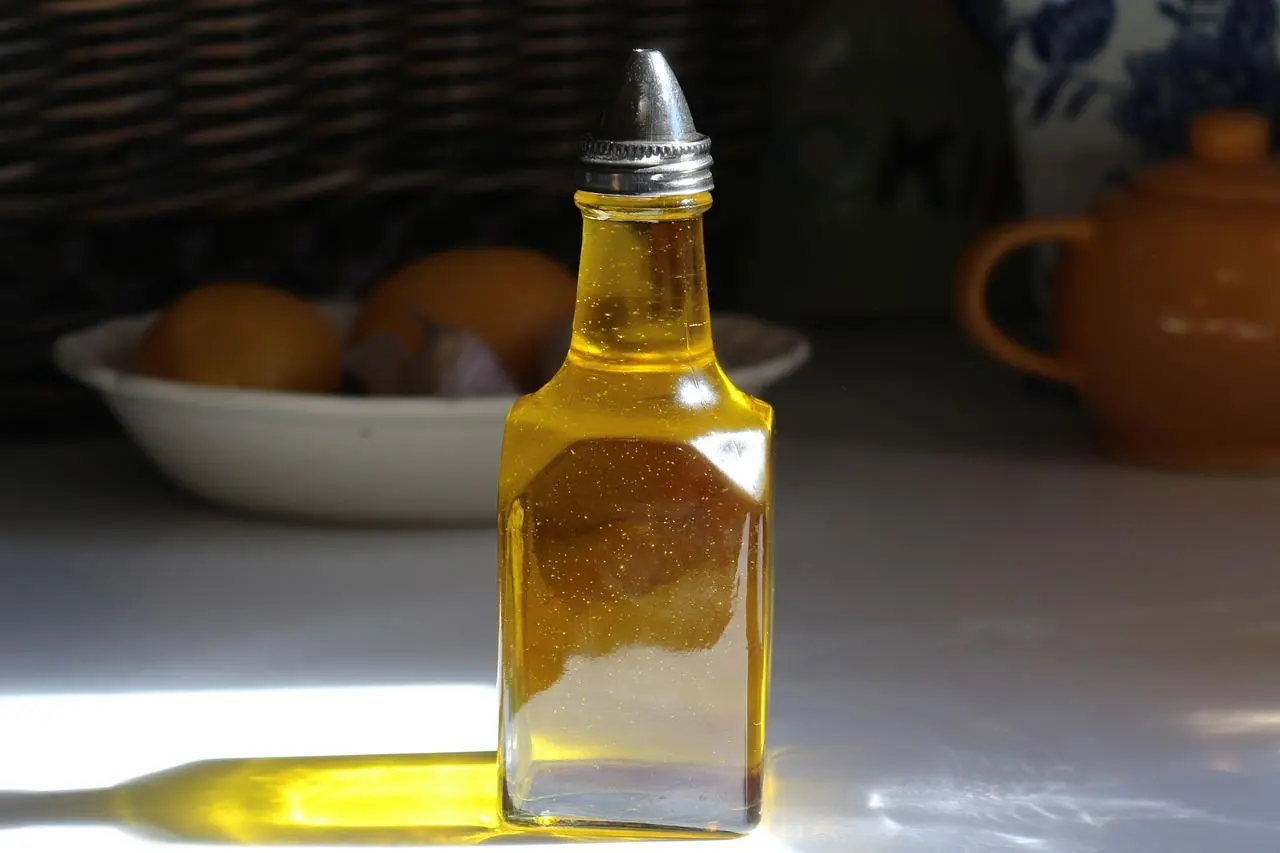
Which? reports Sara Danesin Medio calling extra virgin olive oil the most important part of Italian food, and noting that Italy alone has more than 350 varieties. Her buying checklist is below.
- Produced and packed in Italy
- Cold pressed
- Sold in bottles protected by foil, because light deteriorates the oil
Use it with a little care. A tutor quoted in the same Which? piece says it typically starts burning around 160°C, which is too low for good caramelisation on meat and vegetables. Our guide to the best olive oil for italian cooking explains which bottle suits finishing and which suits the pan.
Cheese works the same way: buy it whole. As of Food Republic’s October 2023 article, Parmigiano Reggiano holds PDO status, and most of it is aged 24-36 months.
Which? adds that the anti-sticking agents and preservatives in pre-grated parmesan ruin the flavour and texture, and suggests a peeler for big shavings. If you are weighing it against sheep’s-milk cheese, our comparison of parmigiano reggiano vs pecorino romano helps you choose.
One more shortcut: anchovy paste. Used at the start of a sauce, especially a seafood one, it adds saltiness rather than fishiness, according to the same Which? article.
How regions shape Italian cooking
There is no single national kitchen. MasterClass explains that after the fall of the Roman Empire, Italy’s regions created their own culinary identities, and it offers a snapshot: risotto in Milan, pizza in Naples and seafood in Sardinia.
Ingredients have their own stories too. Tomatoes reached Italy in the sixteenth century and were first thought poisonous, says MasterClass, yet a Margherita pizza served in Naples in 1889 already leaned on tomato, as Food Republic recounts.
Rice dishes show the regional logic well. MasterClass describes risotto alla Milanese as carnaroli or Arborio rice cooked with onions in butter, then simmered in saffron broth and white wine. To keep exploring, start with our overview of regional italian food.
Frequently asked questions
Do you need tipo 00 flour for fresh pasta?
Show answer
Not strictly. The Daily Meal says flour, water and optionally eggs are all the dough requires, though Food Republic singles out the finely milled flour for delicate shapes such as ravioli and tortellini.
Should you put oil in the pasta water?
Show answer
Advice differs. A tutor quoted by Which? calls it a waste of oil that clogs drains and prefers a light toss in oil after draining, while The Daily Meal says oiling or rinsing stops sauce from sticking. If you are saucing right away, skipping both is the simplest route.
What can you do with a parmesan rind?
Show answer
Cookery tutor Carmela Hayes, cited by Which?, suggests simmering the rind, along with green tomato vines, in slow-cooked sauces, stocks and soups for extra richness.
How long should bolognese simmer, and does milk help?
Show answer
Chef Stefano Sanna says it must cook slowly for at least three hours once the tomato goes in, and that a splash of milk softens the tomato’s acidity, according to Which?.