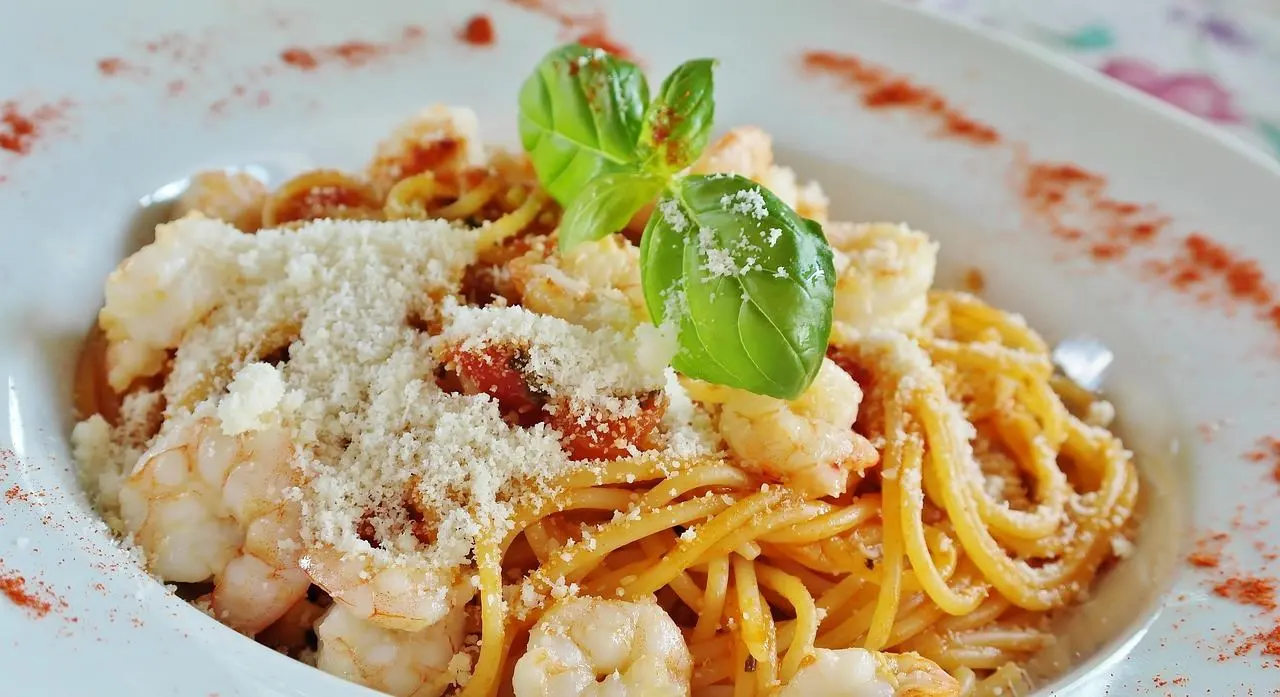
Wondering which sauce belongs with the pasta in your cupboard? The rule for pasta shapes and sauces is simple: pair light, silky sauces with thin or long pasta, and thick, chunky sauces with bigger, ridged or hollow shapes.
This guide sits alongside our overview of italian cooking basics, and it zooms in on the matching game.
| Item | Value |
|---|---|
| Pasta types counted by the Geometry of Pasta authors | more than 300 different types of pasta |
| Pasta varieties according to Food Republic | roughly 350 varieties |
| Pasta groupings (long, short, stuffed, soup) | four major categories |
| Semolina quality advised for dried pasta | 100% durum wheat |
These figures come from Olive Magazine and Food Republic; counts of shapes vary with who is counting and can change, so check the source before you rely on them.
The basic rule: sauce weight decides the shape
Start with the sauce, not the packet. Vincent Benoliel of the Pasta Corner restaurants says it is the sauce that determines which pasta you should use, and not the other way around, as Food Republic reports.
Caz Hildebrand, author of The Geometry of Pasta, offers a general guide: lighter, thinner sauces suit thinner or filled pasta, while chunky, heavier sauces suit bigger shapes that collect more sauce in their grooves or ridges. You can read her full reasoning at Olive Magazine.
Resort head chef Lorenzo Venanzi boils it down to two quick and easy tips: larger shapes generally work better with thick, robust sauces, and skinny shapes suit light, creamy sauces. His advice appears in Yahoo’s In The Know feature.
When you want a slightly more detailed method, EHL Insights suggests working through three questions after you have chosen your sauce:
- Would the sauce suit long or short pasta?
- Is the sauce smooth, or does it contain lumpy pieces?
- Would a hollow, ridged or smooth format host it best?
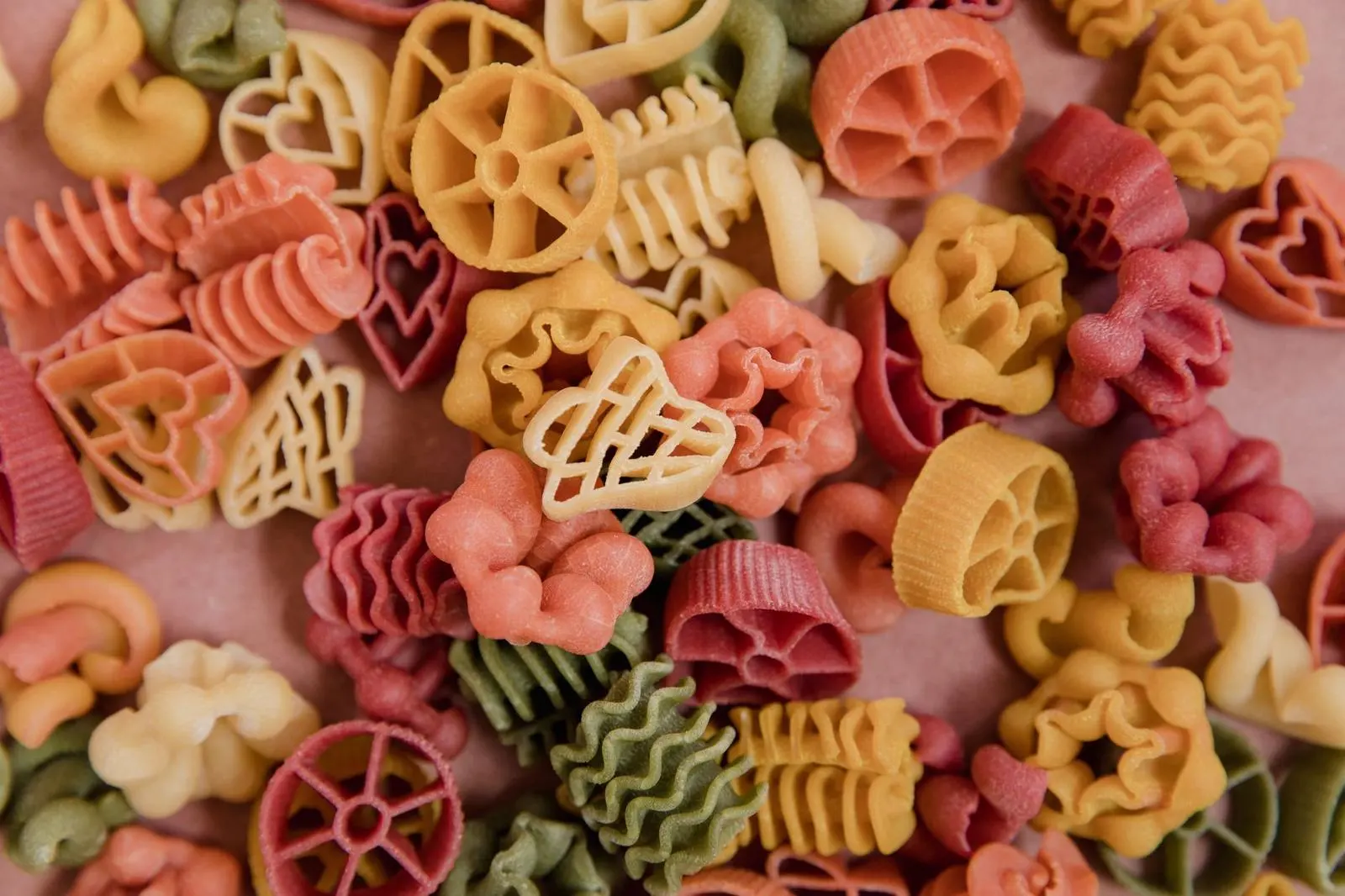
Nobody agrees on how many shapes exist, which explains some of the confusion. Hildebrand and her co-author found more than 300 different types of pasta according to Olive Magazine, Food Republic puts the total at roughly 350 varieties, and chef Gennaro Contaldo, quoted by EHL Insights, speaks of over 600 different pasta shapes on the Italian market.
Long thin pasta: spaghetti, linguine and bucatini
Venanzi says thin, long noodles such as spaghetti, angel hair and capellini are best paired with lighter sauces, such as tomato or garlic and olive oil, in In The Know. EHL Insights adds that an oily, creamy, thin sauce sticks better to long pasta.
- Spaghetti: Benoliel says it can take a wide range of sauces, from cacio e pepe, aglio e olio and vongole to tomato, a richer carbonara and even some meat sauces, per Food Republic. Pasta Evangelists, however, would have you keep ragù alla Bolognese off spaghetti, since that is tagliatelle’s privilege.
- Linguine: Hildebrand calls it perfect with pesto, and linguine alle vongole is one of her favourites, as Olive Magazine notes.
- Bucatini: It looks like spaghetti but is a bit thicker with a hollow center, says In The Know. Pasta Evangelists likes it with carbonara or a creamy cacio e pepe, because sauce can seep into the hollow tubes.
Venanzi describes cacio e pepe as a simple dish of extra virgin olive oil, freshly grated Pecorino Romano and freshly ground black pepper, according to In The Know. If you are unsure which grating cheese to buy, our comparison of parmigiano reggiano vs pecorino romano sets out the differences. Because oil is a main ingredient in sauces this light, our guide to the best olive oil for italian cooking can help you choose a bottle.
Ribbon pasta: tagliatelle, fettuccine and pappardelle
Venanzi says flat, long noodles like fettuccine, linguine and pappardelle suit rich or creamy sauces, because the flat surface can hold heavier sauces. He adds that hearty meat sauces pair best with wider noodles like pappardelle, while fettuccine and linguine are better with simple cream sauces and seafood, as In The Know records.
- Tagliatelle: Hildebrand writes that a self-respecting Italian would eat this shape al ragù, per Olive Magazine. Pasta Evangelists explains that its increased surface area lets it scoop up every last morsel of sauce.
- Pappardelle: It goes particularly well with the pork and wild boar sauces typical of Tuscany, where the shape originates, according to Pasta Evangelists. Benoliel believes especially thick and rich meat sauces need wider pastas, and he serves it with beef ragù, as Food Republic explains.
- Fettuccine: Narrower than its cousins, it suits more delicate recipes such as butter, parsley and mushrooms, says Pasta Evangelists.
Venanzi goes further on the classic: spaghetti bolognese is fundamentally inauthentic when cooked with thin pasta, in his view. Italian cooks, he says, are far more likely to pair a thick ragù with large shells or tubes, or thicker long pasta like tagliatelle and pappardelle, as In The Know quotes him.
Short pasta: tubes, twists and shells
The larger the tube, the better it holds sauces with pieces of meat or vegetables, says Venanzi in In The Know. EHL Insights agrees that tubes such as penne, rigatoni, macaroni and paccheri suit hearty sauces of medium consistency that can snuggle into the tubular form.
Ridges matter most with tomato. Benoliel is partial to pasta rigati, named for the ridges that line the tubular noodles, and he says rigatoni, ridged penne and ziti pair just as well with marinara or spicy arrabbiata, according to Food Republic.
Baked dishes, known as pasta al forno, are baked in the oven and usually covered with cheese and sauce, per In The Know. Pasta Evangelists calls rugged rigatoni perfect with chunkier sauces, and its sturdiness suits a bake of tomato sauce, besciamella, parmigiano and basil.
Twisted shapes such as fusilli, strozzapreti, casarecce and farfalle are generally considered the biggest crowd pleasers, and they work as well in a cold pasta salad as with tomato or cream, says EHL Insights. Trofie, a short twist from Liguria, is at its best with pesto alla Genovese, according to Pasta Evangelists.
Shells and cups catch their sauce. Lumache has a pocket inside that is perfect for holding a creamy sauce, per Food Republic, and for shells EHL Insights suggests chopping pieces like tender broccoli or sausage small enough to be caught inside. Orecchiette, the small bowl-shaped pasta typical of Puglia, works the same way, as Pasta Evangelists describes.
Filled, tiny and irregular shapes
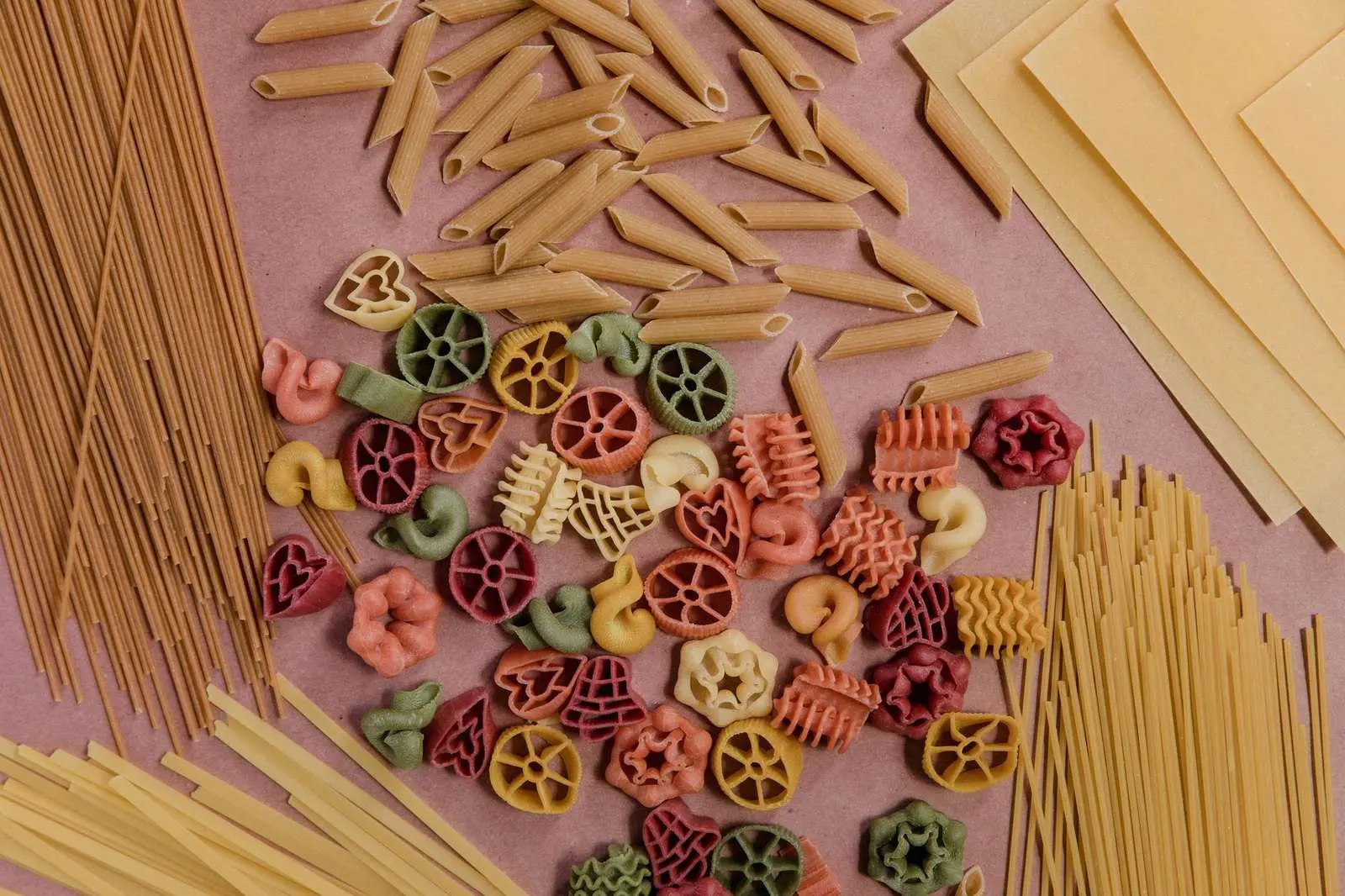
Food Republic sorts pasta into four major categories, long, short, stuffed and soup, and notes that apart from soup pasta, a shape does not really reveal which sauce it needs. See the full discussion at Food Republic.
Filled pasta usually wants a lighter hand. Hildebrand says stuffed pastas often come with a simple broth because they already have plenty going on inside, per Olive Magazine, and Venanzi recommends tomato or creamy sauces for crespelle alla fiorentina, filled with ricotta, pecorino and spinach, according to In The Know.
Tiny shapes belong in soup. EHL Insights calls mini shapes perfect for soups, minestrones and stews, and Olive Magazine warns they would get lost in a heavy sauce.
Maltagliati is the relaxed cousin: the name means poorly cut, so you cannot mess up its presentation, says Venanzi in In The Know. He lets the pasta play a support role to savoy cabbage, potatoes and bacon, coated with olive oil and grated cheese.
Where the rules bend: regions, quality and exceptions
Hildebrand points out that pasta is very regional: if a shape comes from one part of Italy, the sauce is likely made from something grown in the same area. Ligurian pesto, for example, goes best with Ligurian shapes like linguine, as Olive Magazine explains.
She also urges you to buy the best quality you can afford: semolina that is 100% durum wheat, shapes extruded through bronze dies and dried slowly at low temperatures. The same Olive Magazine guide says this affects how the dish tastes and feels.
Exceptions are normal. Pasta Corner serves pappardelle with beef ragù and spaghetti Bolognese, yet it also pairs long tagliatelle with Alfredo sauce rather than a smaller shape, according to Food Republic.
EHL Insights puts it plainly: this is Italy, and there will invariably be exceptions to every rule. Try your favourite sauces and pastas together, mind the heaviness of the sauce, and see what sticks for you, a view shared by EHL Insights and Food Republic.
Frequently asked questions
What pasta suits a thick meat or vegetable sauce?
Show answer
Wide ribbons such as pappardelle and tagliatelle, or large tubes and shells, give chunky sauces somewhere to sit. Thin strands are a poor match for them, which is why chefs steer ragù toward broader pasta.
Does it matter whether pasta is fresh or dried?
Show answer
Not much for pairing, according to EHL Insights: the choice affects how the pasta is made and how long it cooks more than anything else. Ribbon pasta is often freshly made with eggs, which is part of why those dishes feel so filling.
What if I only have one shape at home?
Show answer
Bend the sauce toward the pasta instead. With long strands, keep the sauce silky and oil- or cream-based; with tubes or shells, leave small pieces in it so they can nestle inside.
Are these pairings strict rules?
Show answer
They are habits with plenty of room for play. Contaldo says Italians feel strongly about certain shapes meeting certain sauces, yet the chefs above also encourage home cooks to experiment, as EHL Insights and Food Republic show.