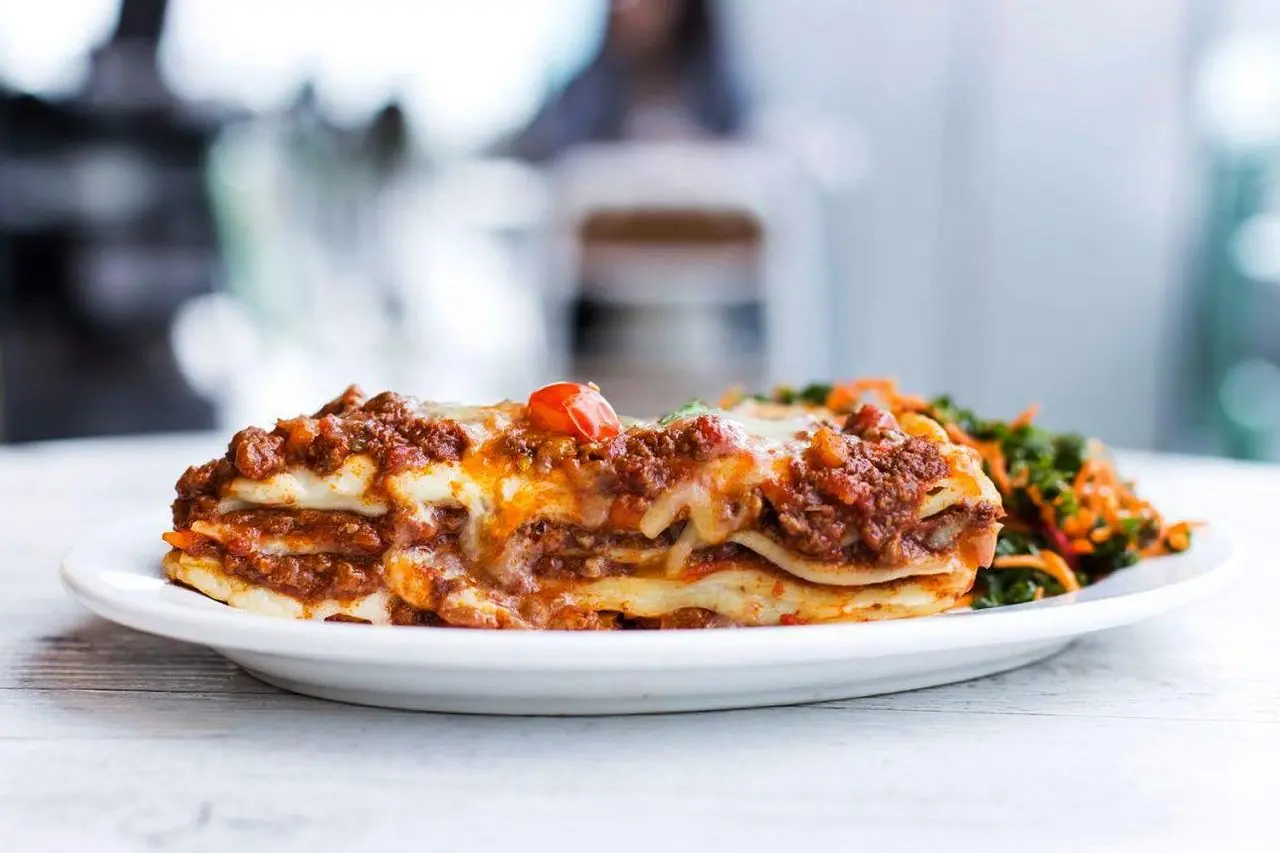
Craving a lasagna bolognese recipe that tastes like Bologna rather than a sloppy tray bake? Layer spinach egg pasta with slow-cooked ragù and creamy béchamel, bake until browned, then rest it before slicing.
This dish belongs to our wider guide to italian pasta recipes, in case you want more ideas for the same table.
| Item | Value |
|---|---|
| Green lasagne recipe certified by the Accademia Italiana della Cucina | May 28, 2003 |
| Minimum ragù simmering time | at least two hours |
| Minimum number of pasta layers | at least 6 layers |
| Oven setting | 170°C (338°F) for 40 minutes |
| Rest before cutting | ten minutes |
These figures come from Bologna Welcome and GialloZafferano, and they can change, so check the source before you rely on them.
What makes lasagna alla Bolognese traditional?
The Accademia Italiana della Cucina, an organisation dedicated to preserving Italy’s culinary heritage, defines the dish as spinach egg pasta layered with ragù and béchamel, as National Geographic reports. The Bologna tourist board adds that its green lasagne recipe was certified by that body on May 28, 2003, as Bologna Welcome explains.
Purists follow a few firm rules, according to National Geographic:
- The ragù cooks for a minimum of two hours, and garlic and herbs stay out of the pot.
- Canned tomatoes give way to a little tomato purée, with broth, wine or milk supplying the liquid.
- Béchamel brings the creaminess, and Parmigiano-Reggiano finishes the top.
The original uses thin fresh egg pasta, while the American version tends toward thick noodles, heavy tomato sauce and ricotta, as GialloZafferano puts it. Keep that contrast in mind and you will build a lighter, more layered dish.
Ingredients and quantities for a family tray
The Bologna Welcome recipe is sized for 8 servings and relies on a short list of core ingredients, with ripe Parmigiano Reggiano grated at the last moment.
| Ingredient | Amount |
|---|---|
| Traditional Bolognese ragù | 1 kg |
| Parmigiano Reggiano | 400 g |
| Superfine flour for the béchamel | 100 g |
| Whole fresh milk for the béchamel | 1 litre |
Amounts come from Bologna Welcome; check the source before you rely on them, since cooks scale this dish differently.
You also need green pasta dough made with eggs and well-drained spinach, plus butter and nutmeg. Our fresh egg pasta dough recipe covers the rolling technique, and you simply work the spinach in.
Dry spinach matters. As The Splendid Table instructs, wrap the cooked leaves in a clean, dry dish towel and squeeze out all the excess water.
How do you make the ragù and béchamel?
Start the ragù first, because it needs at least two hours on the stove, as GialloZafferano explains. The method runs like this:
- Brown finely chopped pancetta in a little oil, then add the chopped carrot, celery and onion.
- Add the minced beef and brown it slowly until it has real colour.
- Deglaze with red wine, let it evaporate completely, then stir in the tomato purée.
- Simmer with the lid slightly ajar, adding hot broth by the ladle whenever the sauce thickens too much.
For the meat, GialloZafferano recommends a fatty cut rather than lean mince, or beef combined with ground pork for a richer result.
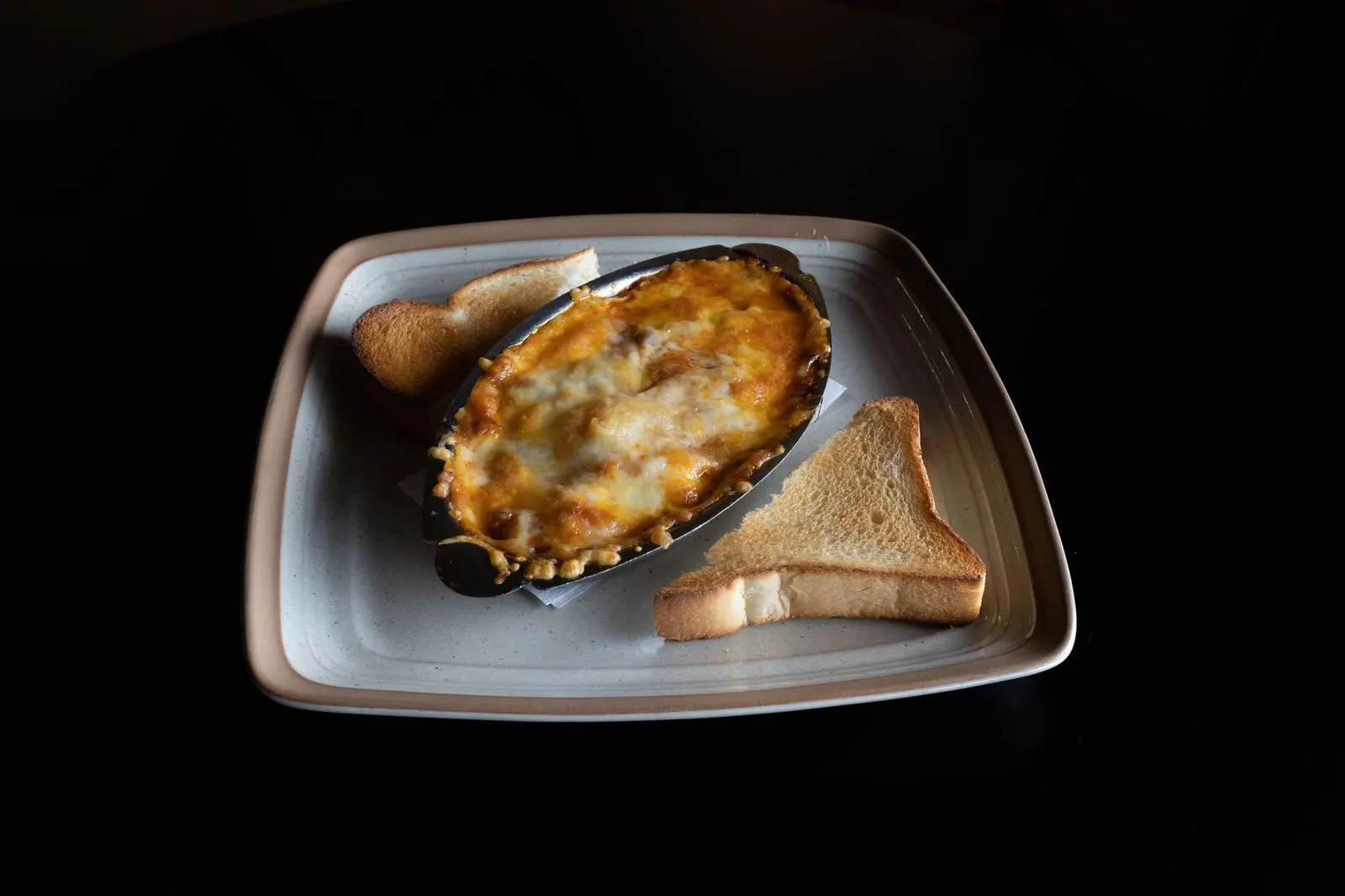
While the ragù bubbles, make the béchamel. Heat the milk without boiling it, melt the butter, cook the flour in it to a golden roux, then pour in the hot milk in three times, mixing well. Season with salt and nutmeg and stir until creamy.
Assembling and baking the lasagna
Blanch the pasta briefly, then build the dish in thin, even layers so the structure holds when you slice it.
- Cook the sheets in well-salted boiling water and lift them out as soon as they rise to the top, then cool and dry them on a clean cotton or linen cloth, as Bologna Welcome describes.
- Butter the baking dish and spread a few spoonfuls of ragù and béchamel over the bottom, then cover with pasta.
- Add a thin layer of béchamel, plenty of ragù, flaked butter and Parmigiano Reggiano, and prick the pasta with a toothpick in three or four holes to avoid air bubbles, per Bologna Welcome.
- Repeat until you reach at least 6 layers, then top with pasta, ragù mixed with a little béchamel, butter flakes and cheese, following Bologna Welcome.
- Bake in a preheated oven at 170°C (338°F) for 40 minutes, the setting GialloZafferano gives.
Ovens differ, so judge by the top: you want a browned, bubbling crust of Parmigiano rather than a pale surface.
Resting, storing and serving
Published recipes vary on the rest. GialloZafferano says ten minutes before cutting, which helps the layers hold and the temperature even out, while Bologna Welcome says 5 minutes and The Splendid Table allows 10 to 15 minutes.
According to GialloZafferano, the ragù keeps in an airtight container in the refrigerator for 2-3 days. The assembled, tightly covered lasagne keeps there for 1-2 days, and building it ahead and baking it the next day is the better approach.
Serve the corner pieces first, the edges where the pasta has crisped against the pan and the sauce has concentrated. In Bologna this is Sunday food that tastes best on the second day, as GialloZafferano notes.
If you would rather finish a lighter, potato-based dish for the same meal, try our homemade gnocchi recipe.
Frequently asked questions
Is it lasagna or lasagne?
Show answer
Strictly, lasagne is the dish and lasagna is a single sheet of pasta, with the final “e” marking the plural of layers, as National Geographic explains. English-language searches use both spellings, so this page does too.
Why is my lasagna watery?
Show answer
A proper Bolognese lasagne is meant to be quite a dry dish, according to National Geographic, and a good slice stands to attention instead of collapsing into sauce. Bologna Welcome’s advice is to keep the ragù abundant but not excessive and the béchamel creamy, thin and evenly spread, as the recipe states.
Can I freeze the assembled dish?
Show answer
Yes, if you build it from fresh ingredients. GialloZafferano says to wrap it well and thaw it in the refrigerator for 24 hours before baking.
What size baking dish do I need?
Show answer
Choose a deep rectangular tin. The 8-serving version from Bologna Welcome uses one of about 25x35cm and at least 6cm high, so the layers have room to build.