Craving a proper amatriciana sauce recipe without a fussy shopping list? You need guanciale, tomatoes, pecorino, white wine and chilli, plus 25 minutes of cooking. Then toss it with bucatini.
This sauce is one of the dishes in our guide to italian pasta recipes.
| Item | Value |
|---|---|
| Serves | 4 people |
| Preparation time | 10 minutes |
| Cooking time | 25 minutes |
| Tomato simmer | 15-20 minutes |
| Earliest written record of pasta with tomato sauce | 1790 |
The timings come from Silvia Colloca’s recipe on SBS Food, and the 1790 date from Wikipedia. Recipes and published figures can change, so check the source before you rely on them.
What goes into a real amatriciana
Amatriciana is a pasta sauce built on guanciale and pecorino, with white wine and tomato added, and it comes from the town of Amatrice, as SBS Food describes it. Wikipedia adds that it is one of the best-known pasta sauces in Roman and Italian cuisine.
The home town is stricter than most cooks. As of SBS Food’s August 2018 article, authorities in Amatrice declare six official ingredients: guanciale, pecorino, white wine, San Marzano tomatoes, pepper and chilli. Onion and garlic are not on that list, per SBS Food.
A handy way to place it is as a descendant of pasta alla gricia. Wikipedia says amatriciana derives from that older dish, and Not Quite Nigella describes gricia as amatriciana without the tomatoes.
Ingredients for four servings
These amounts keep the pan close to the Amatrice list, with a little olive oil to start the guanciale. Add chilli and salt to taste.
| Ingredient | Amount |
|---|---|
| Extra-virgin olive oil | 1 tablespoon |
| Guanciale, trimmed and cut into small chunks | 100 g |
| Dry white wine | 80 ml |
| Peeled tomatoes | 400 g can |
| Bucatini | 400 g |
| Freshly grated pecorino | 75 g |
Amounts come from Silvia Colloca’s recipe on SBS Food; recipes get revised, so check the page before you shop.
A few notes on buying well:
- Guanciale is cured pork jowl with plenty of fat, and that fat provides much of the flavour, according to Christina’s Cucina.
- If you cannot find it, the SBS Food recipe allows smoked pancetta, and Christina’s Cucina suggests pancetta outside Italy.
- Amatrice’s list names San Marzano tomatoes, so look for those if you can.
- Buy pecorino in a chunk and grate it yourself, so you know exactly what you are getting, as Christina’s Cucina recommends.
Step-by-step method
Everything happens in one frying pan and one pasta pot. In Colloca’s SBS Food method, the guanciale and chilli need only 2-3 minutes, the wine 1 minute, and the tomatoes 15-20 minutes of simmering. You start with 1 tablespoon of oil over medium-low heat.
- Bring a large pot of well-salted water to the boil.
- Warm the oil in a large frying pan, then add the guanciale and the seeded, finely chopped chilli. Cook until the fat has rendered out and the pork is caramelised.
- Pour in the wine and let it bubble until the alcohol has cooked out.
- Add the tomatoes, break them up with a fork, raise the heat to medium-high and simmer until slightly thickened.
- Drop the bucatini into the boiling water and cook it a few minutes short of al dente.
- Lift the pasta straight into the sauce with tongs, bringing a little cooking water with it, and toss to coat.
- Taste for salt, then finish with the pecorino and, if you like, a thin drizzle of olive oil.
Two small habits help. Pasta Evangelists advises removing the tough rind from the guanciale before cutting it, and adding a splash of pasta water if the sauce needs loosening.
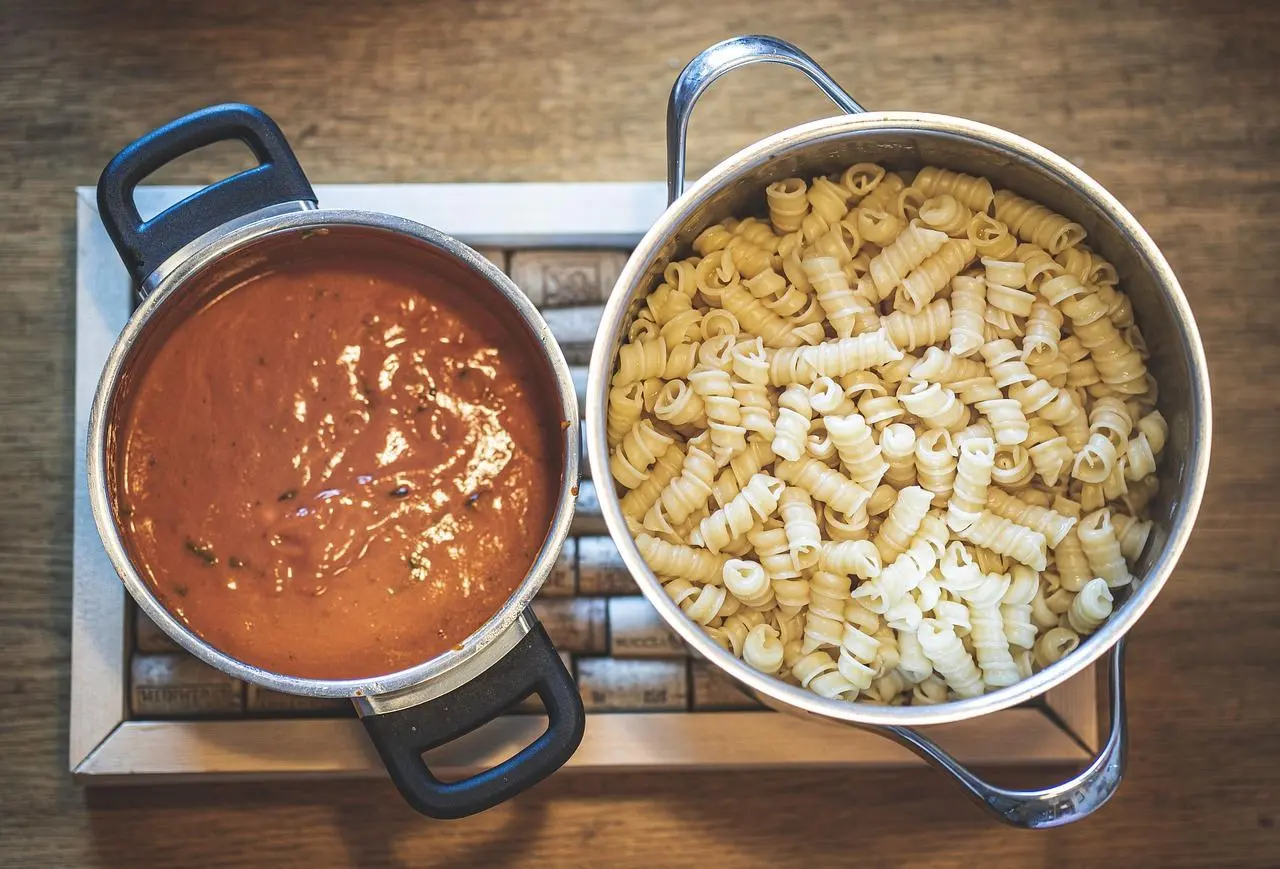
Spaghetti or bucatini, with or without onion?
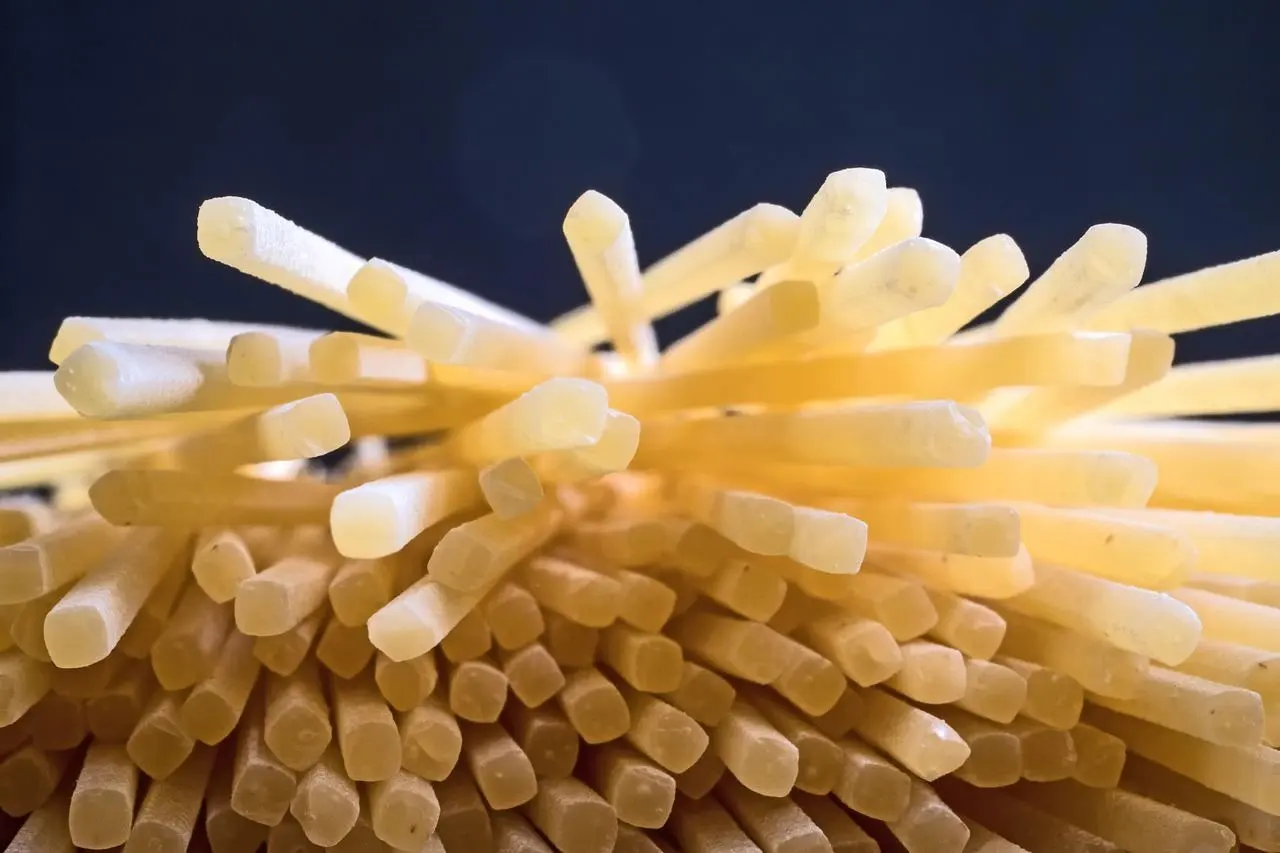
Both shapes have a case. Not Quite Nigella says spaghetti is the traditional pasta in Amatrice, while bucatini is the traditional pasta served in Rome.
The real argument is over onion and garlic. Wikipedia quotes Amatrice’s former mayor, Sergio Pirozzi: “Garlic in amatriciana, never. And no onion, either, whatever some may say.” Yet Not Quite Nigella points out that in Rome, they use onion and garlic in the sauce too.
That leaves you three reasonable routes:
- Amatrice style: spaghetti, with no onion and no garlic.
- Roman style: bucatini, with onion and garlic softened in the rendered fat.
- Wine-free style: another SBS Food recipe omits the wine and adds some onion and garlic for flavour depth.
A short history of the amatriciana sauce
Tomato arrived late. Wikipedia dates the first tomato sauces to the late 18th century, and it notes that the first written record of pasta with tomato sauce appears in the 1790 cookbook L’Apicio Moderno by Roman chef Francesco Leonardi.
The name itself shows up later. In 1911, Eugenio Rontini’s I briganti celebri italiani mentioned “spaghetti alla matriciana”, but the dish was seasoned only with pepper and pecorino, so linguist Giulio Vaccaro reads it as essentially cacio e pepe (per Wikipedia).
The earliest known recipe under the name “spaghetti all’amatriciana” dates to 1914, in Amedeo Pettini’s Manuale di cucina e di pasticceria. It fried ventresca (pork belly) and added tomato sauce diluted with broth, which is why it differs from today’s guanciale version, according to Wikipedia.
Fixes, substitutions and what to cook next
Most problems have a quick answer:
- Sauce too loose: keep simmering until it thickens slightly, as the SBS Food method directs.
- Sauce too tight: stir in a splash of the starchy pasta water, per Pasta Evangelists.
- Too hot for your table: the same source suggests freshly cracked black pepper in place of the chilli for a milder dish.
- No guanciale at all: Not Quite Nigella says speck or even bacon will do in a pinch, though she urges you to find the real thing.
If you enjoy the pecorino-and-pepper side of this sauce, try our cacio e pepe recipe next. For a night with an almost empty fridge, our spaghetti aglio e olio recipe asks for even less shopping.
Frequently asked questions
Can I add garlic or onion to amatriciana?
Show answer
You can, but know what you are changing. The Amatrice tradition leaves both out, whereas Roman kitchens often include them, as Wikipedia and the sources above describe. For the hometown flavour, stick to guanciale, tomato, wine, chilli and pecorino.
What can I use if I cannot find guanciale?
Show answer
Smoked pancetta is the stand-in written into the SBS Food recipe. Bacon or speck also work, though Not Quite Nigella still calls guanciale wonderful and worth hunting down.
Which pasta shape should I choose?
Show answer
Spaghetti is the Amatrice original and bucatini is the Roman favourite. Rigatoni amatriciana is also common on menus in Italy, says Christina’s Cucina, so use the shape you like best.
What is the difference between amatriciana and gricia?
Show answer
Tomato. Gricia is the tomato-free sibling, and adding tomatoes to it gives you amatriciana, as Not Quite Nigella explains.